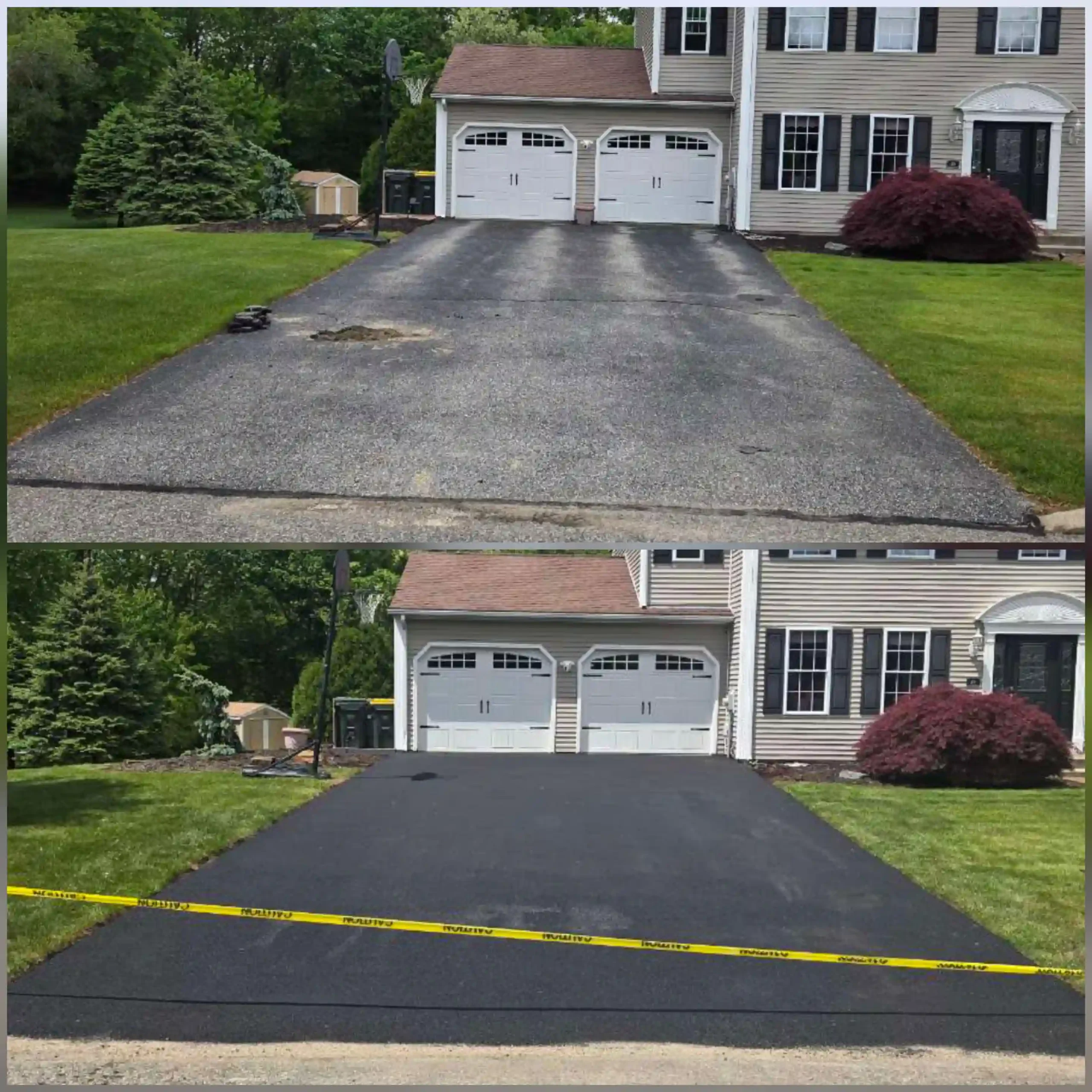
What Shortens a Driveway’s Life in Warwick, RI August 28, 2026 Warwick What Shortens a Driveway’s Life in Warwick, RI A well built asphalt driveway should give you 20 to 30 years in Rhode Island. Plenty of driveways around Warwick don’t make it past twelve. The gap between those two numbers is rarely bad luck, and it’s usually not the weather either, at least not on its own. It’s a stack of smaller things: a base that was never compacted properly, a downspout pointed the wrong way, an oil stain nobody cleaned up, a plow blade scraping metal across asphalt every February. None of them destroy a driveway by themselves. Together they take a 25 year surface and turn it into a twelve year one. Here’s what actually costs you those years, and which of them you still have time to fix. What Takes the Most Years Off a Driveway? Poor installation is the single biggest factor, followed by water that isn’t draining where it should. Everything else on this list matters, but those two account for most early failures. The reason is that both problems live underneath the surface, where you can’t see them until the damage shows up on top. By the time a driveway is visibly failing, the cause has usually been at work for three or four years. Why Installation Shortcuts Show Up Years Later A driveway built on a thin or poorly compacted base looks identical to a properly built one on day one. The difference only appears around year three, when the first winter finds the weak spot. The common shortcuts: Not enough base material. Rhode Island soils need a proper gravel depth to handle frost movement Skipped compaction. Loose base settles unevenly under vehicle weight Asphalt laid too thin. Residential driveways need real thickness, not a token layer Paving over unprepared ground. Organic material and soft fill left in place will keep settling for years This is why the cheapest bid so often becomes the most expensive driveway. The savings come from the part of the job nobody can inspect after it’s finished. Water Sources You Aren’t Thinking About Downspouts, sprinkler heads, and lawn grading send more water onto driveways than rainfall does. All three are fixable in an afternoon and almost nobody checks them. Walk your property during a hard rain and watch where water actually goes. Common culprits around Warwick homes: Downspouts discharging onto or beside the pavement Sprinkler zones overspraying the driveway edge daily through summer A lawn graded so it sheds toward the driveway rather than away A neighbor’s runoff crossing the property line at the low corner Constant saturation softens the base underneath even when the surface looks fine. That’s the failure mode that catches homeowners by surprise, because nothing looked wrong until something sank. How Heavy Vehicles Damage Driveway Edges Asphalt edges have no lateral support, so weight applied near them breaks them off. Dumpsters, oil delivery trucks, boat trailers, and RVs do most of this damage. Warwick sees more of it than most towns. Between the boats coming off Greenwich Bay and the seasonal trailer storage, a lot of driveways carry loads they were never built for. Heat makes it worse. Asphalt softens in July and August, and a trailer jack or dumpster corner left in one spot will press a permanent dent into the surface. Keep heavy loads toward the center of the driveway and off the outer twelve inches, and put a plywood pad under any concentrated point load. What Oil and Gas Spills Do to Asphalt Gasoline, motor oil, and transmission fluid dissolve the binder that holds asphalt together. A spill that sits for a few days leaves a permanently soft, crumbling patch. This is different from a stain. A stain is cosmetic. A spill that soaks in has removed the material holding the aggregate in place, and that section will keep breaking down. Clean fresh spills with an absorbent like cat litter, then wash the area. The faster it’s addressed, the less it takes with it. How Warwick’s Coastal Air Speeds Up Wear Salt air and sun exposure oxidize asphalt from the top down, drying out the binder and turning the surface brittle and gray. Coastal driveways feel it sooner than inland ones. Around Warwick Neck, Oakland Beach, and Buttonwoods, driveways deal with salt carried in off the water year round, not just during winter road treatment. An oxidized surface isn’t structurally failing yet, but it cracks more easily and takes on water faster. That’s usually the point where the freeze and thaw cycle starts doing real damage each winter. Open, unshaded driveways age fastest. If yours gets full sun all day, it’s working harder than one under tree cover. Winter Habits That Cost You Years Metal plow blades and steel shovels gouge asphalt, and aggressive ice chipping does the same. Both create the small openings that water uses to get into the base. A few habits worth changing: Ask your plow service to run a rubber or poly edge on your driveway Skip the steel ice chopper. Let ice melt rather than chipping at it Go easy on chemical ice melt and use sand for traction instead Never pile plowed snow over the low end of the driveway where it will melt back onto the surface None of these will save a driveway that’s already failing structurally. They will add years to one that isn’t. The Maintenance Gaps That Cost the Most Ignoring small cracks costs more years than anything else on the maintenance side. A quarter inch crack is a twenty minute fix. The same crack after two winters is a repair. The pattern is consistent: homeowners sealcoat on schedule because it’s visible and satisfying, then let structural cracks go unfilled because they’re easy to overlook. Crack filling protects the base. Sealcoating protects the surface. If you only do one, do the crack filling. And when the damage has moved past what filling can address, the question becomes whether
How a New Driveway Gets Installed in Warwick, RI
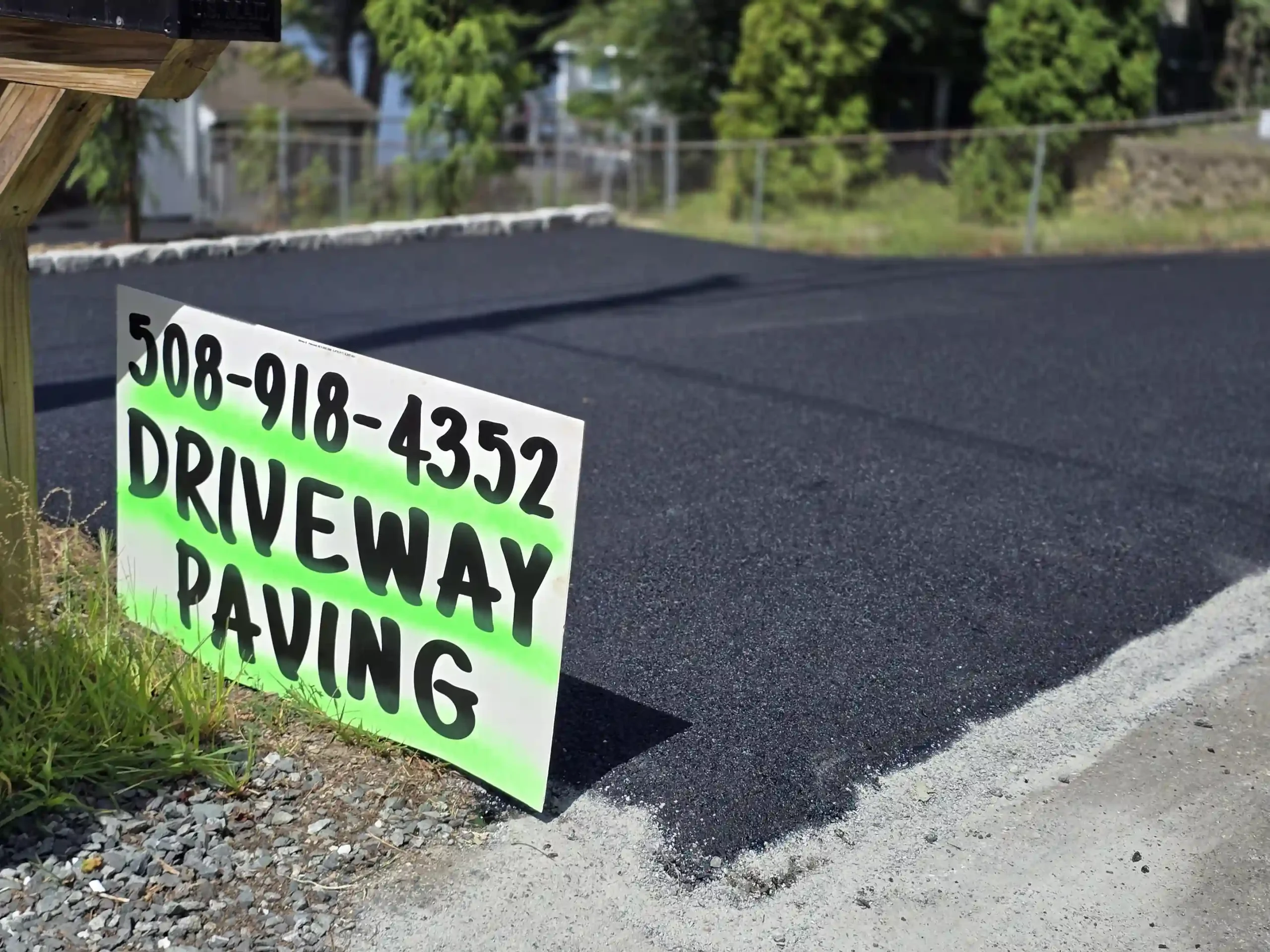
How a New Driveway Gets Installed in Warwick, RI August 28, 2026 Warwick How a New Driveway Gets Installed in Warwick, RI Most homeowners have never watched a driveway go in. You get an estimate, you pick a date, trucks show up, and two days later there’s fresh blacktop where the old cracked surface used to be. That’s fine right up until something on site doesn’t match what you pictured. The crew wants to shift the apron two feet. The excavation turns up soft fill nobody expected. The slope has to run toward the street instead of the side yard. Knowing the sequence ahead of time makes those conversations a lot easier, and it makes it obvious whether the crew on your property is doing the job properly or rushing the part that matters most. Here’s how a residential driveway installation actually runs in Warwick, start to finish. What Are the Steps in a Driveway Installation? A standard installation runs through six stages: site visit and estimate, excavation, grading, base installation, paving, and compaction. On most Warwick driveways the on site work takes one to three days. The order never changes. What changes is how much time each stage takes, and that depends almost entirely on what’s under the old driveway. The Site Visit and Estimate A proper estimate happens on the property, not over the phone. The contractor measures the area, checks the slope, looks at where water currently drains, and assesses access for equipment. Square footage sets the material cost. Everything else on that walk sets the labor cost, and that’s the part phone quotes get wrong. Watch for whether they check drainage. A contractor who measures the driveway and never looks at where water goes is quoting a surface, not a driveway. You should leave that visit with a written scope covering thickness, base depth, and what happens to the old material. Excavation and Removing the Old Surface The old asphalt gets broken up and hauled off, along with enough soil underneath to make room for a proper base. Expect equipment on the property and a dump truck cycling in and out. Depth varies by site. The crew digs until they reach material that will support the driveway, which sometimes means going deeper than planned when soft fill turns up. Old asphalt is usually recyclable, so ask where it goes. It shouldn’t end up buried in your yard. Grading and Base Installation This is the stage that determines how long the driveway lasts. The subgrade gets shaped so water runs off, then gravel goes down in layers and each layer gets compacted before the next one. Typical residential base depth in New England runs six to eight inches of compacted gravel, though your site conditions set the real number. Two details worth watching: Layered compaction. Gravel dumped all at once and rolled from the top doesn’t compact all the way down Slope established here. Pitch is built into the base, not corrected later with extra asphalt If a crew moves from excavation to paving in a single afternoon, the base didn’t get the attention it needed. That shortcut is the most common reason driveways fail early . Laying and Compacting the Asphalt Hot mix asphalt arrives at temperature and has to be spread and rolled before it cools. Residential driveways usually get two to three inches of compacted asphalt, sometimes split into a binder layer and a surface layer. Compaction is what turns loose mix into pavement. Rolling has to happen while the material is still hot, which is why crews work quickly once the trucks arrive. Edges get special attention. Asphalt has no lateral support at the perimeter, so a good crew tapers and compacts the edges rather than leaving them square and vulnerable. What Warwick Site Conditions Change About the Job Coastal lots and older neighborhoods both add steps. Near the bay, a high water table means drainage has to be solved before anything else. In older sections of town, the surprise is usually what’s buried under the existing driveway. Around Apponaug, Pontiac, and Hoxsie, many driveways were built decades ago over whatever fill was available. Excavation there turns up more variables than a newer lot in Cowesett or Greenwood does. Tight lots matter too. Narrow driveways and close setbacks limit which equipment fits, and street access on the smaller roads off Post Road can dictate where trucks stage. None of this is unusual. It just means the estimate should reflect your actual site rather than a per square foot average. Decisions You’ll Make Before the Crew Arrives Width, apron shape, and drainage direction all get settled before paving day. Changing any of them once base work is done is expensive. Think through these ahead of the site visit: Width. Two cars side by side needs meaningfully more room than most existing driveways have The apron. Where the driveway meets the street affects both appearance and how water leaves Turnaround or parking pad. Cheaper to include now than to add later Where water should go. Toward the street, a swale, or a drain, but somewhere deliberate Edge treatment. Whether you want a defined edge, a lawn taper, or Belgian block Caring for a New Driveway Its First Year Stay off it for at least 24 hours, and keep heavy vehicles off for several days. Fresh asphalt stays soft while it cures, and the first summer is when it’s most vulnerable. The first year checklist: Avoid turning your steering wheel while stopped. It scuffs soft asphalt Keep trailer jacks, dumpsters, and kickstands off the surface or on a plywood pad Stay off the outer edges with vehicle tires Wait six to twelve months before sealing so the surface cures fully Watch how it drains during the first heavy rain and report any pooling right away That last one matters most. Drainage problems are far easier to correct in the first season than after a few Rhode Island winters have worked on them . Frequently Asked
Sealcoating vs Crack Filling for Warwick Driveways
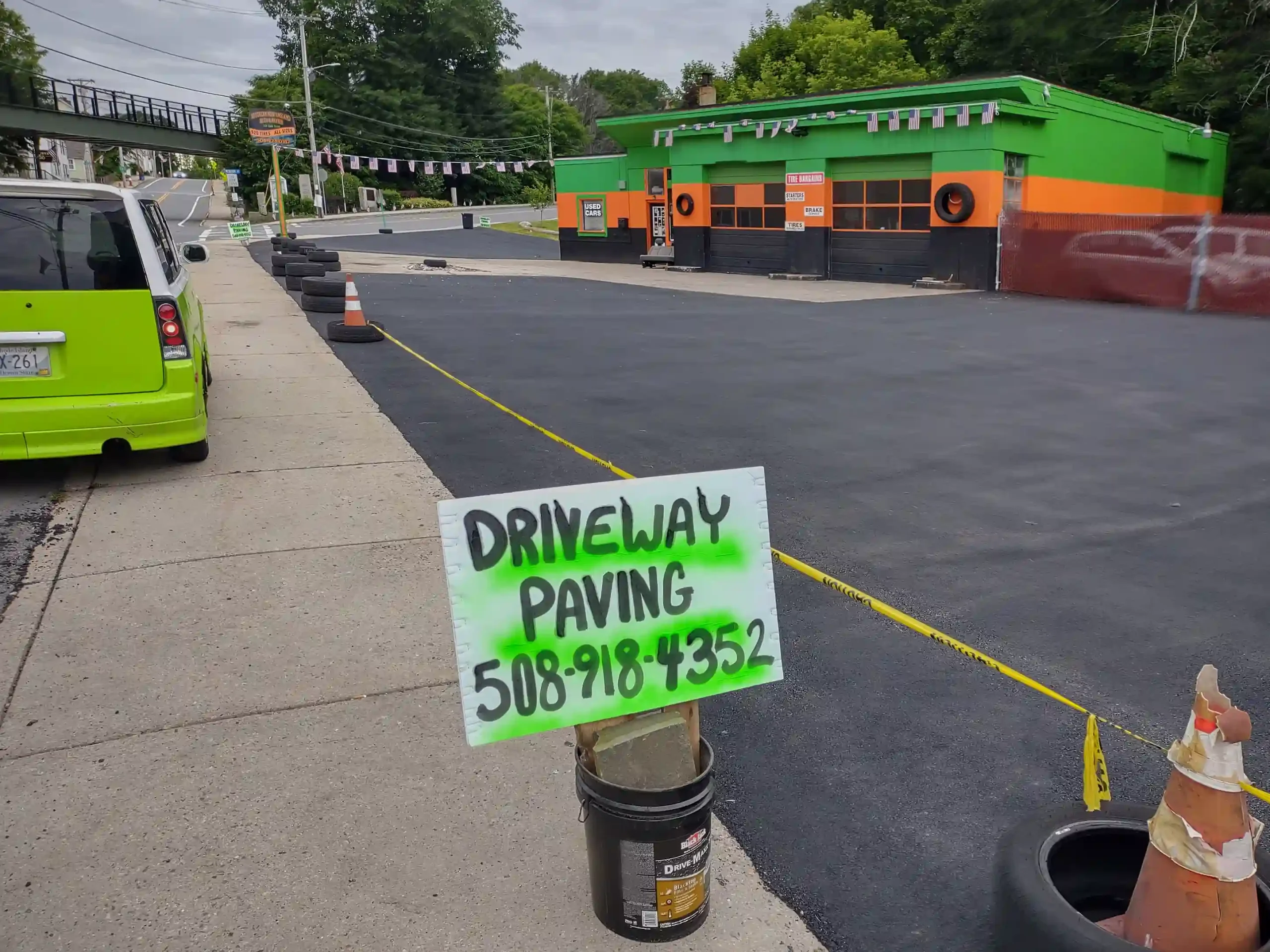
Sealcoating vs Crack Filling for Warwick Driveways August 28, 2026 Warwick Sealcoating vs Crack Filling for Warwick Driveways Sealcoating is the maintenance homeowners actually do. It’s visible, it’s satisfying, the driveway goes from gray back to black in an afternoon, and the neighbors notice. Crack filling is the one that gets skipped. It’s tedious, the driveway looks roughly the same afterward, and there’s no dramatic before and after photo at the end. Which is unfortunate, because of the two, crack filling is the one doing the structural work. That doesn’t make sealcoating pointless. It makes the order matter. Get the sequence right and both jobs earn their cost. Get it backward and you’ve made the driveway look better while leaving the real problem untouched. Water will still find its way through the cracks and into the base below. What’s the Difference Between Sealcoating and Crack Filling? Sealcoating applies a thin protective coating across the entire driveway surface. Crack filling injects flexible material into individual cracks to keep water out of the base underneath. One treats the whole surface against sun, oxidation, and spills. The other treats specific openings that lead down into the structure. They solve different problems, which is why doing one doesn’t substitute for the other. What Sealcoating Actually Does Sealcoating protects asphalt from UV rays, oxidation, water penetration, and automotive fluids. It slows the surface from drying out and turning brittle. Fresh asphalt is flexible because of the binder holding the aggregate together. Sun and air break that binder down over time, which is why aging pavement goes gray and starts to fray at the surface. What sealcoating does not do: It adds no structural strength to the driveway It won’t fix or bridge existing cracks It won’t correct drainage or pooling It won’t help a driveway with a failing base Think of it as sunscreen, not surgery. Valuable on a healthy surface, useless on a failing one. What Crack Filling Does and Why It Matters More Crack filling seals the pathways water uses to reach the gravel base. That’s the difference between surface maintenance and structural protection. Once water gets into the base, it saturates the material, freezes, and starts moving the foundation your driveway sits on. That cycle is what breaks Rhode Island pavement apart , and it begins at cracks most people walk past without noticing. Worth knowing: Homeowners often use crack filling and crack sealing interchangeably, and many contractors do too. Depending on the width, movement, and condition of the cracks, a contractor may recommend different repair materials, including hot-applied rubberized sealants or other flexible fillers. The important thing isn’t the name of the product, it’s making sure cracks are properly repaired before water reaches the base. Which One Does Your Driveway Need First? Crack filling comes first, always. Sealcoating over unfilled cracks traps moisture below the coating and leaves the openings underneath completely unaddressed. The correct sequence on a driveway needing both: Clean out and fill every crack wider than a quarter inch Let the filler cure per the product’s requirements Sealcoat the full surface Doing it the other way around is one of the more expensive mistakes in driveway maintenance, because it looks finished while the underlying problem keeps progressing. How Often Should You Sealcoat in Rhode Island? Every two to four years for most driveways, and not more often than that. Over sealcoating is a real problem, not a myth. Sealer builds up in layers. Too many coats applied too frequently create a thick, brittle shell that cracks and peels away from the asphalt underneath, which looks considerably worse than the oxidation you were trying to prevent. Crack filling runs on a different schedule. Check for new cracks every fall and fill what’s opened up. That’s an annual habit, not a multi year cycle. New pavement waits longest of all. Give fresh asphalt six to twelve months to cure before the first sealcoat. When Sealcoating Is a Waste of Money Skip it if the driveway shows alligator cracking, potholes, or sunken areas. Those are base failures, and a surface coating over structural damage is money spent hiding a problem. Don’t bother sealcoating when: The base is failing and replacement or resurfacing is the real answer The asphalt is less than six months old Cracks haven’t been filled yet The last sealcoat was applied within the past two years Water pools on the surface after every rain That last one is a grading issue. Sealer follows the same contours the driveway already has. Why Warwick’s Exposure Changes the Schedule Coastal driveways oxidize faster than inland ones, so Warwick homeowners near the water often land at the shorter end of the two to four year window. Salt carried in off Greenwich Bay works on pavement year round, not just during the months when road treatment is running. Combine that with full sun exposure and a surface ages noticeably faster than the same driveway would in a shaded inland lot. Neighborhoods like Warwick Neck, Oakland Beach, and Buttonwoods see it first. Driveways under tree cover in Cowesett or Greenwood generally stretch closer to four years between coats. The surface tells you when. Gray, dry looking pavement with fine surface fraying is ready. Still dark and flexible means wait. When to Schedule Each Job Both need temperatures reliably above 50 degrees, which means the season runs late spring through early fall in Rhode Island. Sealer also needs a dry stretch, ideally 24 hours without rain on either side. The practical calendar for Warwick: Crack filling: early fall, before the first hard freeze, so openings are closed going into winter Sealcoating: late spring through early fall, on a dry forecast Both in one season: fill first, allow cure time, then seal Fall books out fast around here. Homeowners tend to think about it the same week the first cold snap arrives, which is already a little late. Frequently Asked Questions Can you sealcoat over cracks? You can, but you shouldn’t. Sealer doesn’t bridge cracks,
Driveway Resurfacing vs Replacement in Warwick, RI
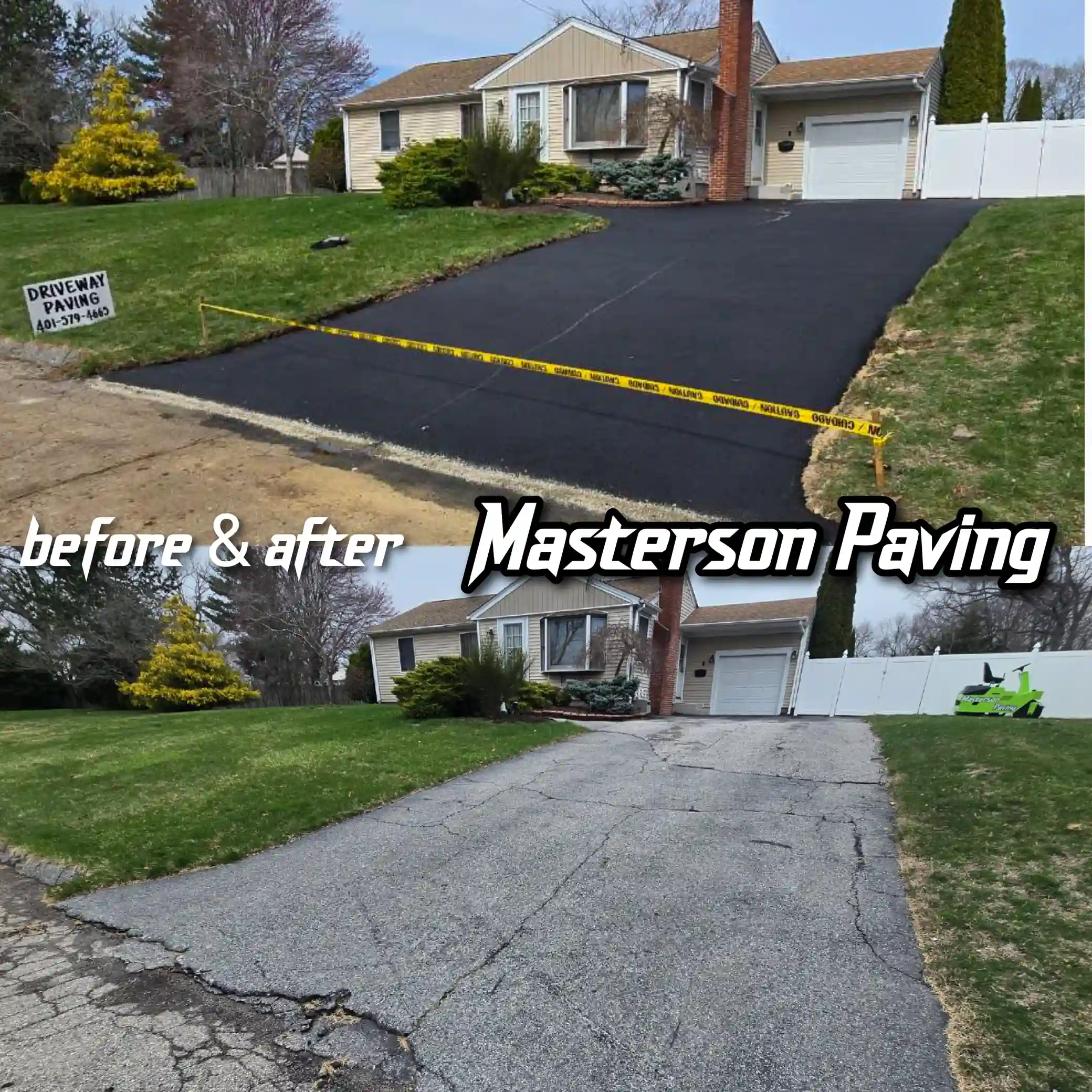
Driveway Resurfacing vs Replacement in Warwick, RI August 28, 2026 Warwick Driveway Resurfacing vs Replacement in Warwick, RI There’s a point every Warwick homeowner reaches where patching stops making sense. The driveway has been repaired twice, the cracks keep reopening in the same places, and the whole surface has gone that faded gray color that no amount of sealer fixes. That’s the fork in the road. Resurface, or tear it out and start over. Pick wrong in one direction and you spend thousands more than you needed to. Pick wrong in the other and you pay for a beautiful new surface that fails in four years because the problem was never on top. The answer isn’t really a judgment call, though. It comes down to one thing: whether the base under the driveway is still doing its job. Read that right and you’ll know which option you’re looking at before anyone shows up with a truck. What’s the Difference Between Resurfacing and Replacement? Resurfacing lays a new layer of hot mix asphalt over your existing driveway. Replacement removes everything down to the subgrade and rebuilds the driveway from the ground up. Resurfacing keeps the old pavement in place and uses it as the foundation for a fresh top layer, usually an inch and a half to two inches thick. Replacement means excavation. The old asphalt comes out, the gravel base gets regraded or rebuilt, and new pavement goes down over a foundation that’s been corrected. One is a surface fix. The other is a structural one. Which is why appearance is a poor guide here. A driveway can look rough and have a perfectly sound base, and another can look passable while sitting on saturated, shifting fill. Signs Your Driveway Base Is Still Sound The base is likely fine if the damage has stayed on the surface and the driveway still holds its shape under weight. Look for: Cracks that run in straight lines rather than branching into each other A surface that stays flat when a car parks on it Damage concentrated in one area rather than spread across the whole slab If that describes your driveway, a fresh surface layer is almost certainly the smarter spend. Signs Your Driveway Needs Full Replacement Alligator cracking, potholes, and sunken sections mean the base has already given up. Those are structural failures, and resurfacing over them just hides the problem for a season or two. The clearest tells: Alligator cracking: interconnected cracks in a pattern like scales Potholes: material has already washed out from underneath Sunken or dished areas: the base is shifting or was never compacted Water pooling in the same spot every rain: a grading problem no top layer will fix Multiple failed patches: the driveway keeps telling you where the real issue is More than three or four inches of existing asphalt is another factor. Stacking another layer on a driveway that’s already been resurfaced once creates height problems at the garage and the street. How Warwick’s Soil and Drainage Change the Math Warwick’s coastal neighborhoods push more driveways toward replacement than inland towns do. A higher water table and sandier soil mean bases stay saturated longer and lose stability faster. In Oakland Beach, Conimicut, Warwick Neck, and other spots near the bay, groundwater sits close enough to the surface that drainage has to be right from the start. There’s less margin for error. Older neighborhoods around Apponaug and Pontiac bring a different issue. Many driveways there were built decades ago over whatever fill was on hand, with no compaction standards to speak of. Most resurfacing failures start below the pavement. Our guide on why Warwick driveways crack every spring covers how Rhode Island winters break asphalt down from underneath. How Long Each Option Lasts A properly resurfaced driveway typically gives you 10 to 15 years. A full replacement with correct grading and compaction should run 20 to 30 in Rhode Island. Resurfacing costs a fraction of replacement, so on a per year basis the two land closer together than the sticker price suggests. That only holds if the foundation was genuinely sound, though. A resurface over a failing one often shows the same cracks within two or three winters, and then you’re paying for replacement anyway. Keeping Either One Alive Longer Both options live or die on the same two things: drainage and crack maintenance. A short list that applies either way: Fill any crack wider than a quarter inch before the first freeze Keep downspouts and gutters discharging away from the pavement Wait six to twelve months before sealing new asphalt so it cures fully Stay off the edges with heavy trucks and dumpsters, especially in summer heat What to Expect During the Job Resurfacing is usually a one day job on a residential driveway. Full replacement typically runs two to three days depending on size, excavation, and drainage work. Either way you’ll need to stay off fresh asphalt for at least 24 hours, and keep heavy vehicles off for several days while it cures. Scheduling matters in Rhode Island. Both jobs need daytime temperatures reliably above 50 degrees, which means booking between late spring and early fall. Frequently Asked Questions Can you pave over an existing asphalt driveway? Yes, if the base underneath is sound and the existing asphalt isn’t already too thick. A contractor should verify both before quoting. Is resurfacing cheaper than full replacement? Considerably. Resurfacing skips excavation, disposal, and base rebuilding, which is where most of the cost in a replacement sits. How long does a resurfaced driveway last in Rhode Island? Around 10 to 15 years with good drainage and regular crack sealing. Poor drainage shortens that noticeably in coastal Warwick. Will resurfacing fix a driveway that holds water? No. Pooling is a grading problem in the base, and a new top layer follows the same contours. That one needs replacement. Can I resurface part of a driveway? Sometimes, though the seam between old and new is visible and can
Why Warwick Driveways Crack Every Spring in RI
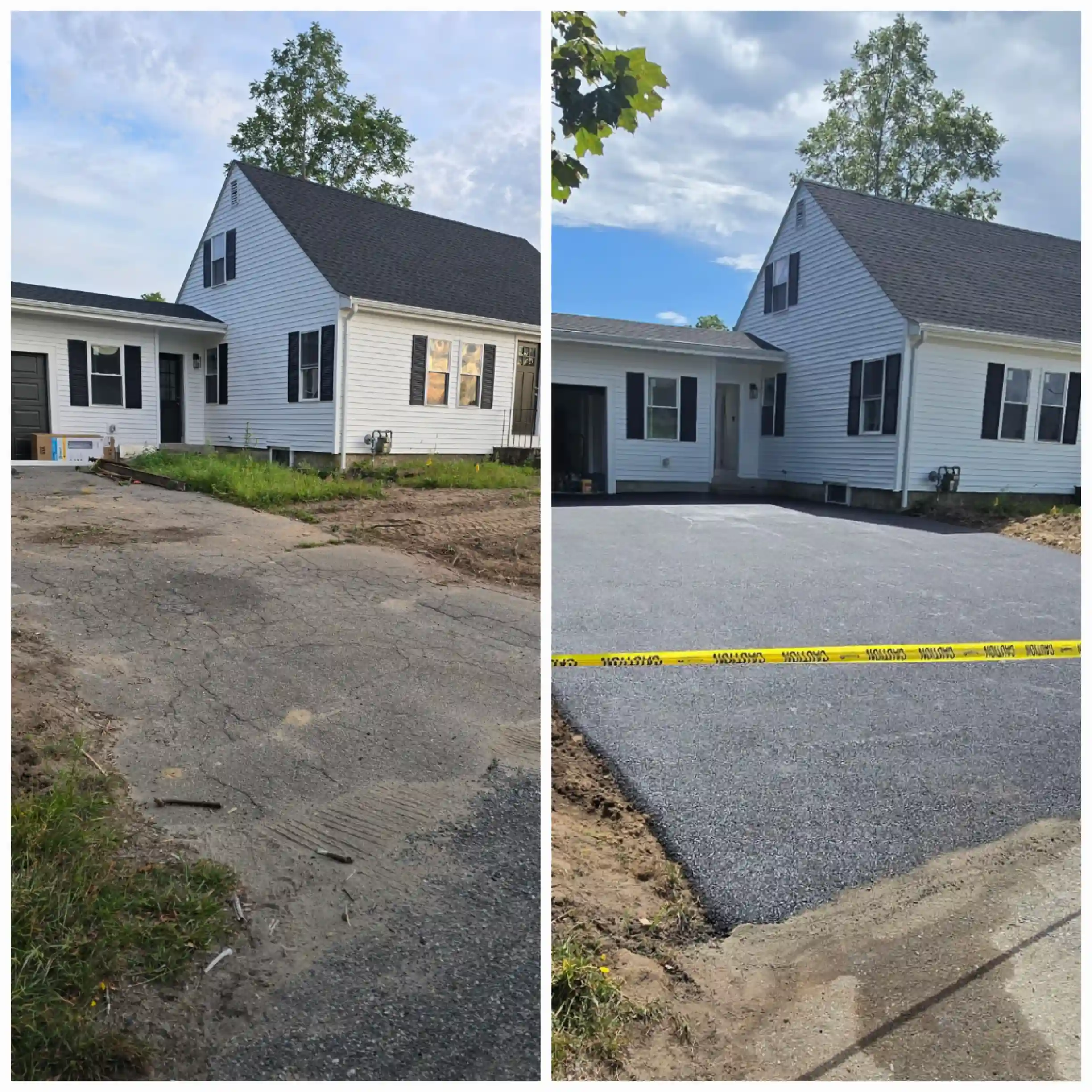
Why Warwick Driveways Crack Every Spring in RI August 28, 2026 Warwick Why Warwick Driveways Crack Every Spring in RI Ask any homeowner off Post Road, Warwick Avenue, or up in Cowesett what their driveway looks like the first warm week of April. The answer is usually the same, cracks that weren’t there in November, a low spot holding water near the garage apron, and edges that have started to crumble away from the lawn. It isn’t bad luck, and it usually isn’t bad asphalt. It’s water and temperature doing the same thing to pavement across Kent County every single winter. Understanding what’s happening under your driveway makes the difference between a $300 crack fill in September and a full tear out three years from now. Here’s how freeze and thaw damage works in Warwick, which cracks matter, and what keeps a driveway holding together through Rhode Island winters. What Causes Driveway Cracks in Warwick, RI? Most driveway cracks in Warwick come from water getting into the asphalt and freezing. As it freezes, it expands and pries the pavement apart from the inside. Three things usually work together to make it happen: Water intrusion through hairline surface cracks or unsealed edges A weak base that was never compacted properly and shifts under load Sun and age, which dry out the binder holding the asphalt together A driveway with a solid base and good drainage can shrug off winters for decades. One built on soft fill starts telling on itself by year three. How Freeze and Thaw Cycles Break Down Rhode Island Pavement Freeze and thaw damage happens when water seeps into a small crack, freezes, and expands roughly nine percent, widening the crack a little more each time. Rhode Island runs through dozens of these cycles a season, so the damage compounds fast. Southern New England is especially rough on pavement because we hover around the freezing mark instead of staying locked below it. A stretch of 38 degree days followed by a hard overnight freeze does more damage than a solid month at 20. Each cycle pushes water a little deeper. Once it reaches the gravel base, saturated material shifts under the weight of a vehicle and the surface starts to sink. Why Coastal Warwick Driveways Take Extra Abuse Warwick’s shoreline neighborhoods deal with conditions that inland towns don’t, a higher water table, sandier soils, and salt air rolling off Greenwich Bay. In areas like Oakland Beach, Conimicut, and Longmeadow, groundwater sits closer to the surface. That means the base under a driveway stays damp longer into spring and has less room to drain after a storm. Add the road salt and brine tracked in off Route 117 and Post Road all winter, and you’ve got a surface being worked on from above and below. Proper grading matters more here than almost anywhere else in the state. Which Driveway Cracks Are Serious and Which Can Wait Narrow hairline cracks are normal and can usually be sealed. Interconnected cracking that looks like alligator skin, potholes, and sunken areas are base problems, and those don’t wait. Watch for these warning signs: Alligator cracking: the base is failing under that section Potholes: water has already washed material out from underneath Shallow dips and low spots: settlement or poor compaction Crumbling edges: no shoulder supporting them from the side A crack you can slide a credit card into is a maintenance item. One you can fit a finger into is a repair conversation. Repair, Resurface, or Replace: How to Tell the Difference The base decides. If it’s still sound, targeted patching or a fresh surface layer will hold. If the base has failed, anything applied on top fails with it. Isolated potholes and cracks get patched. A driveway that’s structurally fine but tired looking gets resurfaced, with new hot mix over the existing surface at a fraction of full replacement cost. Widespread alligator cracking, standing water, or multiple sunken areas point to a full rebuild down to subgrade. Any honest estimate should tell you which camp you’re in before quoting a number. Why Grading and Drainage Decide How Long a Driveway Lasts Standing water destroys more Rhode Island driveways than traffic ever will. Grading for drainage is the single most important step in any driveway paving project . Water needs somewhere to go, a consistent pitch away from the garage, toward the street or a swale. A quarter inch of fall per foot is a common target on residential work. Skip that step and you’ve built a shallow basin that fills every time it rains, then freezes solid in January. How to Protect a Warwick Driveway Before Winter Seal cracks in early fall, before the first freeze, and keep water moving off the surface. That’s the bulk of it. A few habits that stretch pavement life: Fill cracks wider than a quarter inch each autumn as part of routine asphalt upkeep Keep gutters, downspouts, and drains discharging away from the pavement Use a plow blade with a rubber edge, or ask your service to Go easy on ice melt products. Sand gives traction without the chemical load Keep heavy trucks and dumpsters off unsupported edges, especially in summer heat When to Schedule Paving Work in Rhode Island Late spring through early fall is the window, roughly May into October, when daytime temperatures stay reliably above 50 degrees. Asphalt needs warmth to compact properly. Paving in cold weather cools the mix too fast to reach full density, which leaves the surface porous and vulnerable to the exact cycle you’re trying to survive. August and September book out quickly across Warwick, Cranston, and East Greenwich. If you spotted damage this spring, that’s the time to get it handled, not next April after another winter has widened it. “` Frequently Asked Questions How long should an asphalt driveway last in Warwick? With a solid base and good drainage, 20 to 30 years is realistic in Rhode Island. Poor drainage can cut that in half. Can
Why Choose a Family-Owned Paving Company? The Masterson Paving Difference
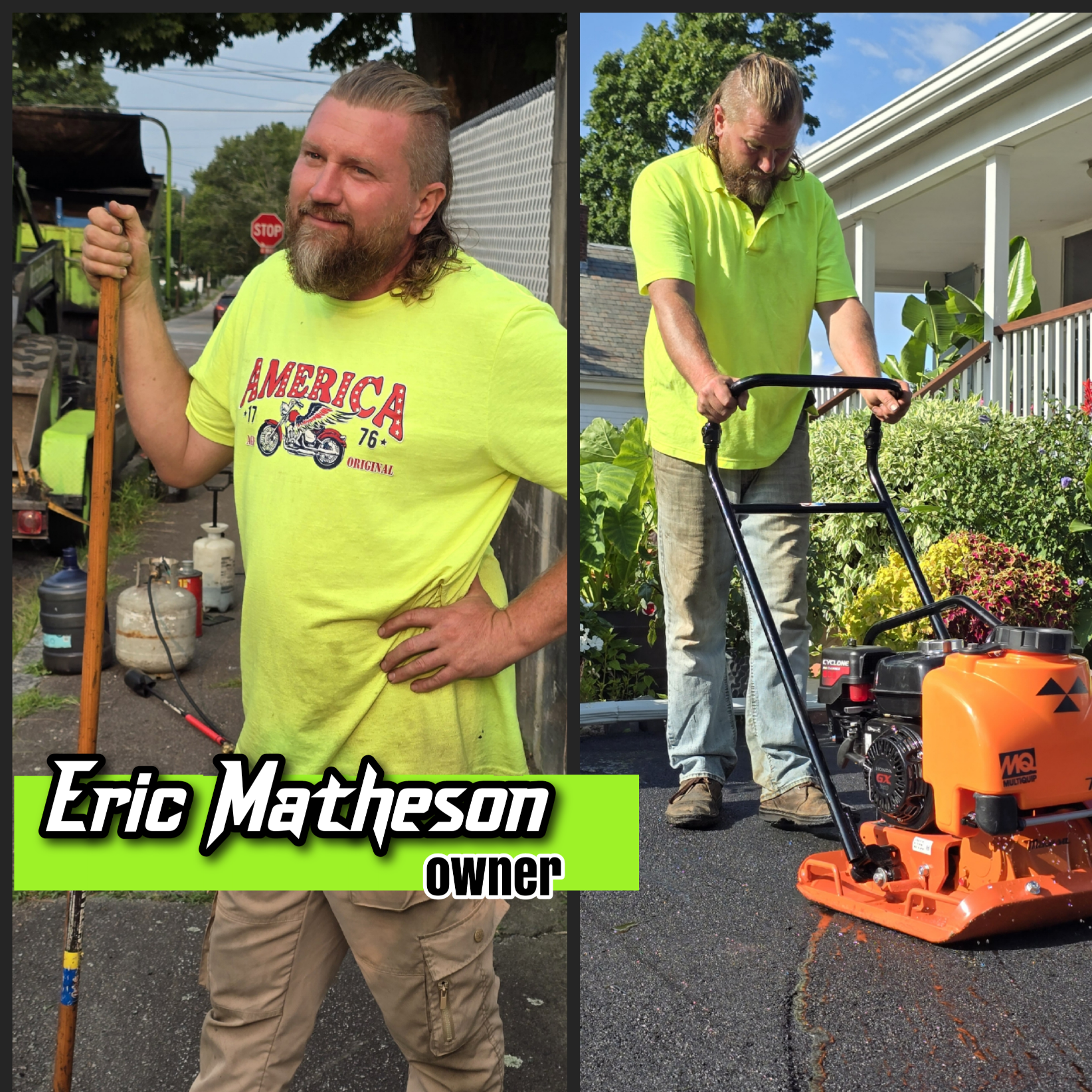
Why Choose a Family-Owned Paving Company? The Masterson Paving Difference July 15, 2026 Blog Why Choose a Family-Owned Paving Company? When you’re hiring someone to pave your driveway or repave your business’s parking lot, you’re trusting them with a project that will sit in front of your property for the next 20-plus years. That’s not a decision to hand off to just anyone — which is why so many homeowners across Woonsocket, Cumberland, and Smithfield end up asking around before choosing a contractor. Here’s what four generations in the paving business has taught us about doing it right. Four Generations, One Standard Masterson Paving has been a family-owned operation from day one, and that history means something. Techniques get passed down, standards get reinforced, and a reputation built over 20-plus years doesn’t get put at risk by cutting corners. When a company’s name has been on trucks in the same communities for that long, quality isn’t optional — it’s the whole business model. Personalized Service, Not a Sales Script Big national paving outfits tend to run every customer through the same playbook. A family-owned company can actually tailor the process. From the first phone call to the final walk-through, we take the time to understand what a homeowner actually wants — whether that’s maximizing curb appeal, solving a drainage headache, or just getting a cracked-up driveway fixed before it gets worse. Open communication and attention to detail aren’t marketing lines; they’re what happens when the person quoting your job is the same company that shows up to do it. Residential Focus, Commercial Capability While plenty of paving companies chase the biggest commercial contracts they can find, our focus has stayed on residential driveways — because that’s where the relationship with the community actually lives. That said, having the equipment and experience to handle commercial parking lots and municipal roadways means no job is too big when a business or town does need us. Quick Turnaround, Real Communication Time matters. Nobody wants their driveway torn up for a week, and businesses can’t afford extended downtime in a parking lot. Efficient processes and an experienced crew mean many residential projects wrap in a single day — with clear communication throughout so there are no surprises about timeline or budget. Local Knowledge That Actually Matters A paving company based in Woonsocket, working across Rhode Island and into Massachusetts, understands things an out-of-area contractor might not: how the local frost line affects base preparation, which neighborhoods tend to have drainage quirks, and what it takes for a driveway to actually survive a New England winter. That kind of knowledge isn’t something you can Google — it’s built from two decades of hands-on work in these exact communities. The Bottom Line Choosing a family-owned paving company isn’t just a feel-good decision — it’s a practical one. It means accountability, consistency, and a level of care that’s hard to replicate at scale. When our name is on the work, we treat it like our own driveway is on the line. Ready to see the difference for yourself? Contact Masterson Paving for a free consultation on your next residential or commercial paving project. Trending Posts 15 Jul 2026 Blog Why Choose a Family-Owned Paving Company? The Masterson Paving Difference 15 Jul 2026 Blog Sealcoating 101: Protecting Your Asphalt Driveway Through New England Winters 15 Jul 2026 Blog Driveway Paving vs. Resurfacing: Which Does Your Rhode Island Home Need? Get a Quote Request a Quote Full NameEmailPhoneI’m a– Select –Residential HomeownerCommercial/Industrial Business OrganizationHOA/COAOtherDetails of ProjectSubmit Form
Sealcoating 101: Protecting Your Asphalt Driveway Through New England Winters
Driveway Paving vs. Resurfacing: Which Does Your Rhode Island Home Need? July 15, 2026 Blog Is Your Cracked Windshield Legal to Drive in California? If you’ve noticed your driveway looking a little worse for wear, you’ve probably found yourself asking the same question a lot of Woonsocket-area homeowners ask us: do I need a brand-new driveway, or can this one be saved? The honest answer is, it depends — and knowing the difference between paving and resurfacing can save you both time and money. What Is Asphalt Paving? A full asphalt paving job means starting from scratch. The old surface is removed, the base is regraded and compacted, and a fresh layer of hot mix asphalt is installed from the ground up. This is the right call when a driveway has structural problems — think deep, widespread cracking, potholes, or a base that’s shifted due to years of New England frost heave. New installations are also the way to go if you’re adding a driveway where one didn’t exist, expanding an existing one, or dealing with drainage issues that a surface-level fix simply can’t solve. What Is Asphalt Resurfacing? Resurfacing, sometimes called an overlay, is a lighter-touch solution. Instead of tearing everything out, a new layer of asphalt is poured directly over the existing, structurally sound base. It’s faster, more budget-friendly, and ideal for driveways that have surface wear — fading, minor cracking, or a rough texture — but no serious underlying damage. Think of it this way: paving rebuilds the foundation, while resurfacing refreshes what’s already there. How to Tell Which One You Need A few signs that usually point to full repaving: Potholes or crumbling edges Cracks wider than a quarter-inch, especially ones that form connected patterns Standing water that pools instead of draining A driveway that’s more than 20-25 years old with no major upkeep Signs that resurfacing will do the trick: Surface cracking that hasn’t spread to the base Fading or a rough, worn top layer A driveway installed within the last couple of decades that’s been reasonably maintained If you’re not sure which category your driveway falls into, that’s exactly what a professional inspection is for. It’s tricky to judge base integrity just by looking at the surface. Why This Decision Matters in New England Rhode Island and Massachusetts winters are hard on asphalt. Freeze-thaw cycles work their way into even small cracks, widening them over time and eventually compromising the base underneath. That’s why timing matters — a resurfacing job done today can prevent a full repave down the road, but only if the underlying base is still solid. Get an Expert Opinion As a fourth-generation, family-owned paving company based right in Woonsocket, we’ve walked hundreds of driveways across Rhode Island and Massachusetts and can usually tell within minutes which route makes sense for your property and your budget. If your driveway is showing its age, reach out for a free consultation — we’ll give you a straight answer, not an upsell. Serving Woonsocket, Cumberland, Smithfield, and Franklin County, MA. Trending Posts 15 Jul 2026 Blog Driveway Paving vs. Resurfacing: Which Does Your Rhode Island Home Need? Get a Quote Request a Quote Full NameEmailPhoneI’m a– Select –Residential HomeownerCommercial/Industrial Business OrganizationHOA/COAOtherDetails of ProjectSubmit Form
Driveway Paving vs. Resurfacing: Which Does Your Rhode Island Home Need?
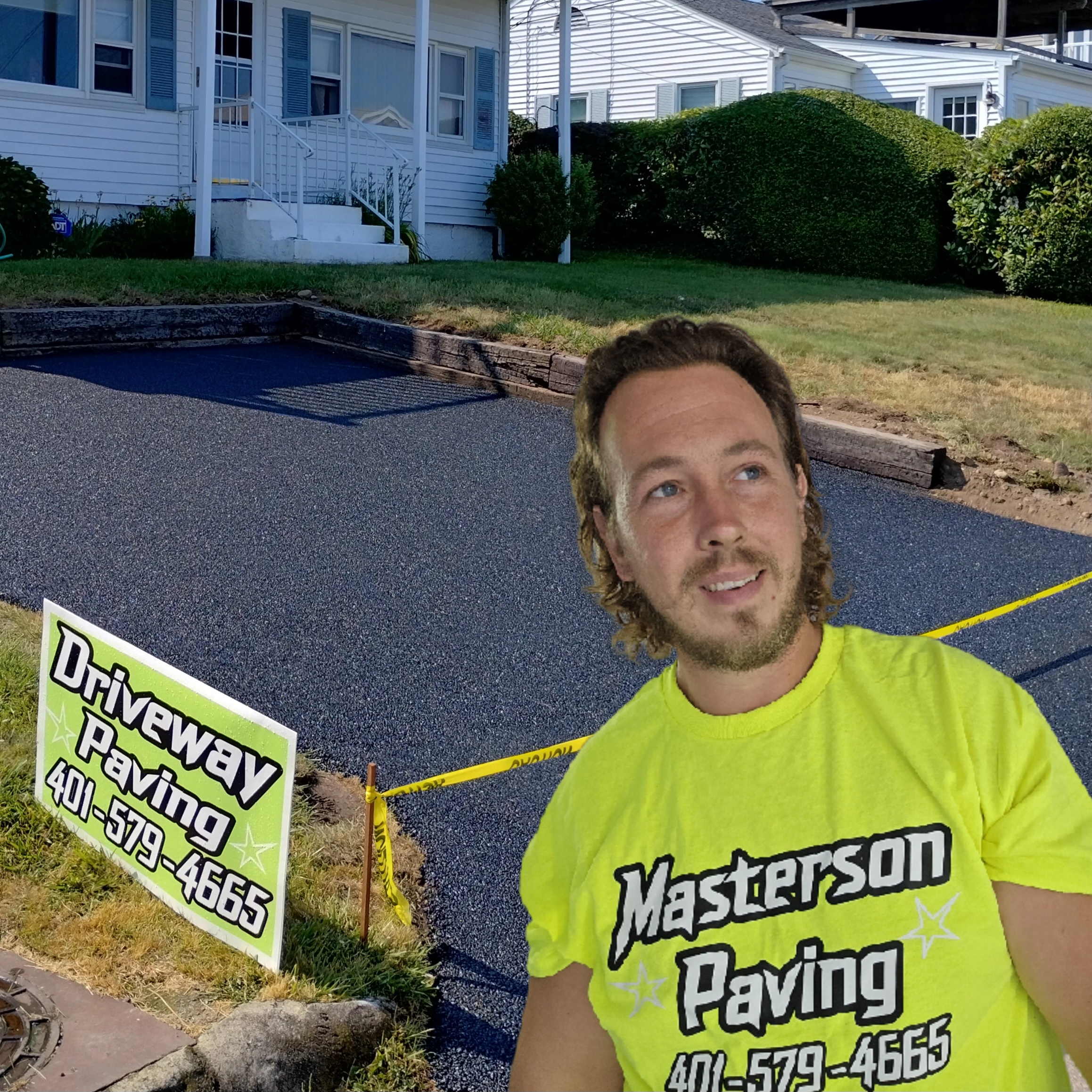
Driveway Paving vs. Resurfacing: Which Does Your Rhode Island Home Need? July 15, 2026 Blog If you’ve noticed your driveway looking a little worse for wear, you’ve probably found yourself asking the same question a lot of Woonsocket-area homeowners ask us: do I need a brand-new driveway, or can this one be saved? The honest answer is, it depends — and knowing the difference between paving and resurfacing can save you both time and money. What Is Asphalt Paving? A full asphalt paving job means starting from scratch. The old surface is removed, the base is regraded and compacted, and a fresh layer of hot mix asphalt is installed from the ground up. This is the right call when a driveway has structural problems — think deep, widespread cracking, potholes, or a base that’s shifted due to years of New England frost heave. New installations are also the way to go if you’re adding a driveway where one didn’t exist, expanding an existing one, or dealing with drainage issues that a surface-level fix simply can’t solve. What Is Asphalt Resurfacing? Resurfacing, sometimes called an overlay, is a lighter-touch solution. Instead of tearing everything out, a new layer of asphalt is poured directly over the existing, structurally sound base. It’s faster, more budget-friendly, and ideal for driveways that have surface wear — fading, minor cracking, or a rough texture — but no serious underlying damage. Think of it this way: paving rebuilds the foundation, while resurfacing refreshes what’s already there. How to Tell Which One You Need A few signs that usually point to full repaving: Potholes or crumbling edges Cracks wider than a quarter-inch, especially ones that form connected patterns Standing water that pools instead of draining A driveway that’s more than 20-25 years old with no major upkeep Signs that resurfacing will do the trick: Surface cracking that hasn’t spread to the base Fading or a rough, worn top layer A driveway installed within the last couple of decades that’s been reasonably maintained If you’re not sure which category your driveway falls into, that’s exactly what a professional inspection is for. It’s tricky to judge base integrity just by looking at the surface. Why This Decision Matters in New England Rhode Island and Massachusetts winters are hard on asphalt. Freeze-thaw cycles work their way into even small cracks, widening them over time and eventually compromising the base underneath. That’s why timing matters — a resurfacing job done today can prevent a full repave down the road, but only if the underlying base is still solid. Get an Expert Opinion As a fourth-generation, family-owned paving company based right in Woonsocket, we’ve walked hundreds of driveways across Rhode Island and Massachusetts and can usually tell within minutes which route makes sense for your property and your budget. If your driveway is showing its age, reach out for a free consultation — we’ll give you a straight answer, not an upsell. Serving Woonsocket, Cumberland, Smithfield, and Franklin County, MA. Trending Posts 15 Jul 2026 Blog Why Choose a Family-Owned Paving Company? The Masterson Paving Difference 15 Jul 2026 Blog Sealcoating 101: Protecting Your Asphalt Driveway Through New England Winters 15 Jul 2026 Blog Driveway Paving vs. Resurfacing: Which Does Your Rhode Island Home Need? Get a Quote Request a Quote Full NameEmailPhoneI’m a– Select –Residential HomeownerCommercial/Industrial Business OrganizationHOA/COAOtherDetails of ProjectSubmit Form